
Learn something new
Our talks
To join one of our talks you need to be on our mailing list
The Italian Renaissance
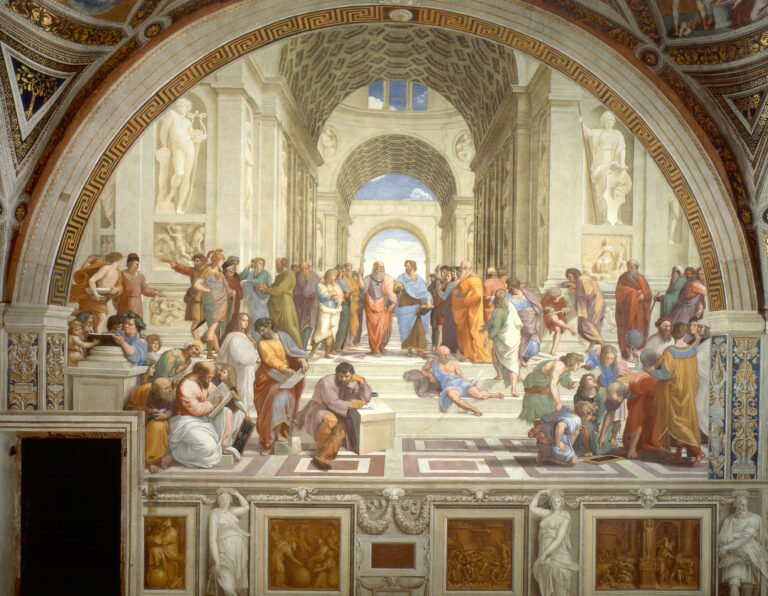
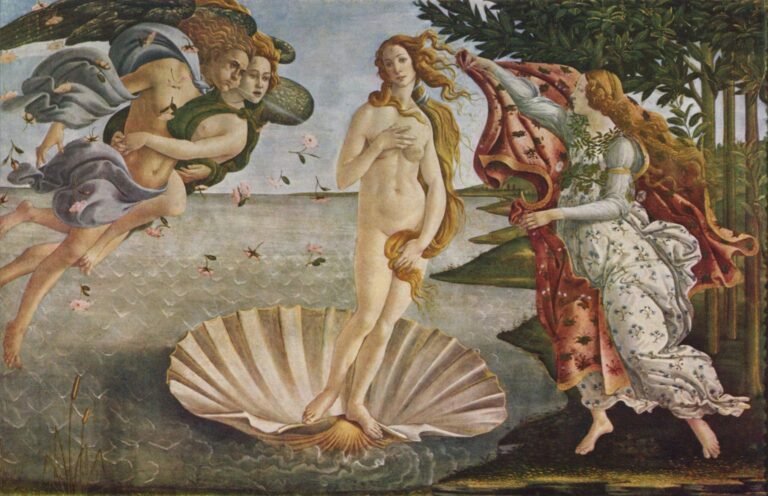
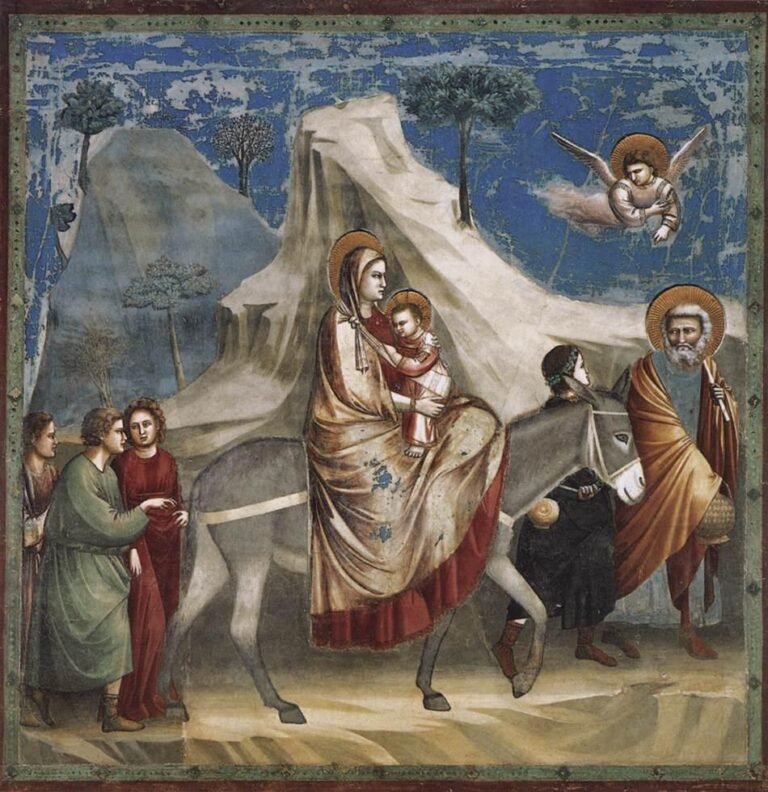
In this series of talks, we will explore the Italian Renaissance – the ‘rebirth’ of art that occurred in the fourteenth century.
Drawing comparisons between different styles and approaches, the ancient heritage of Rome and the revival of the classical tradition by artists like Cimabue, Duccio, Simone Martini and Giotto will be considered, alongside the historical and philosophical context that contributed to the ‘rebirth’ of the arts in fourteenth-century Italy.
The flowering of the Italian Renaissance in the fifteenth century will be examined, including paintings by Masaccio, Donatello, Bellini and Mantegna. Works by Uccello and Piero della Francesca show the development of linear perspective, whilst Fra Angelico, Fra Filippo Lippi and Botticelli followed the more ‘lyrical’ tradition of Quattrocento painting.
The High Renaissance reached its peak in the works of Leonardo, Raphael and Michelangelo. Leonardo’s work as a scientist is clearly reflected in his earliest works, whilst Raphael’s expertise was reflected in his religious paintings and work in the Vatican Stanze. Michelangelo’s work as a sculptor will be examined, as well as his frescoes in the Sistine Chapel.
The course consists of three sessions:
- Giotto and the Early Italian Renaissance (16 Nov 26)
- The Quattrocento – Masaccio to Botticelli (23 Nov 26)
- The High Renaissance – Leonardo, Raphael and Michelangelo (30 Nov 26)
Our speaker
Dr Valerie Shrimplin is an Art Historian, Researcher and Author, who has lectured extensively on Byzantine, Medieval and Renaissance art and architecture, and on sixteenth-century history. She has a particular interest in the influence of astronomy and cosmology on art (including her PhD on a link between Michelangelo and Copernicus). She is an accredited Arts Society Lecturer and former Chair (2017-2024) of the Conferences on the Inspiration of Astronomical Phenomena.
These talks will run over three weeks on Monday mornings at Hatfield Road Methodist Church in St Albans from 10.15 to 12.15, on Monday 16th, Monday 23rd and Monday 30th November 2026. Each talk costs £10 — or you can book all three talks for a reduced fee of £24.
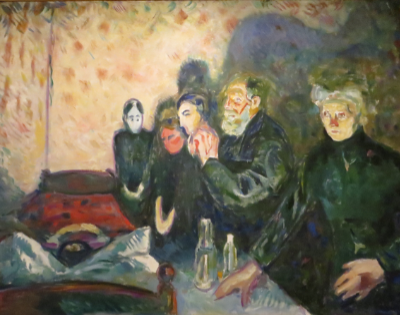
Nordic Spirit: Grieg, Ibsen and Munch

Perhaps it is the unique climate of the far north, the extremes of the Polar night and Midsummer sun, which has forged such a distinctive Nordic culture. Although Norway is renowned for its beautiful fiords, many of its communities are isolated, cut off by both mountains and sea. Norwegians have learnt to be resilient. Despite a rich heritage, Norway did not gain independence from Sweden until 1905, explaining the nationalist fervour of Edvard Grieg. His compositions reflect Norway’s mythic past and folk traditions. Grieg’s incidental music to Henrik Ibsen’s Peer Gynt (In the Hall of the Mountain King and Solveig’s Song) transformed Ibsen’s verse drama into a romantic fairy-tale. Yet Ibsen’s plays dealt with complex human relations. A Doll’s House and Hedda Gabler examine the realities that lay behind the façade of respectable middle-class domesticity.
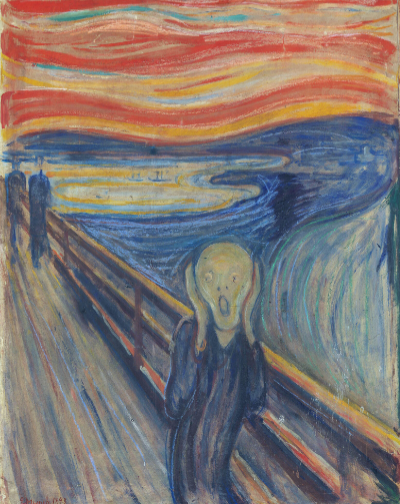
The paintings of Edvard Munch, who saw in Ibsen’s plays a reflection of his own life, are equally disquieting, dealing with sexual awakening, unrequited love and death. No one captured the angst of the era more effectively than Munch; imitated, copied and parodied, his iconic Scream is as famed as Leonardo’s Mona Lisa. All three artists responded to the anxieties provoked by modern life.
Our speaker
Anne Anderson was a senior lecturer at Southampton Solent University, where she specialized in the Aesthetic Movement, Arts and Crafts, Art Nouveau and Modernism. She has published books on Art Deco teapots, Edward Burne-Jones, and Art Nouveau Architecture. Anne has curated exhibitions, and lectured on cruises and for the Arts Society.
This talk will be on Tuesday 24th November 2026 at Hatfield Road Methodist Church in St Albans from 13.45 to 15.45.
It costs £10.
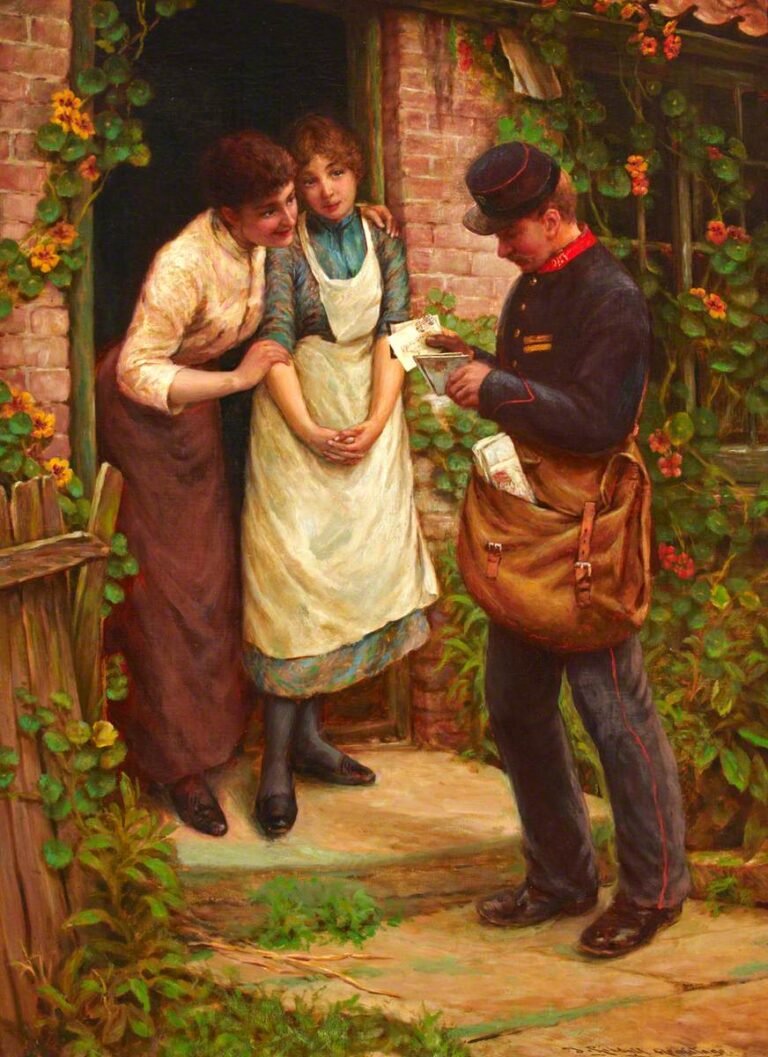
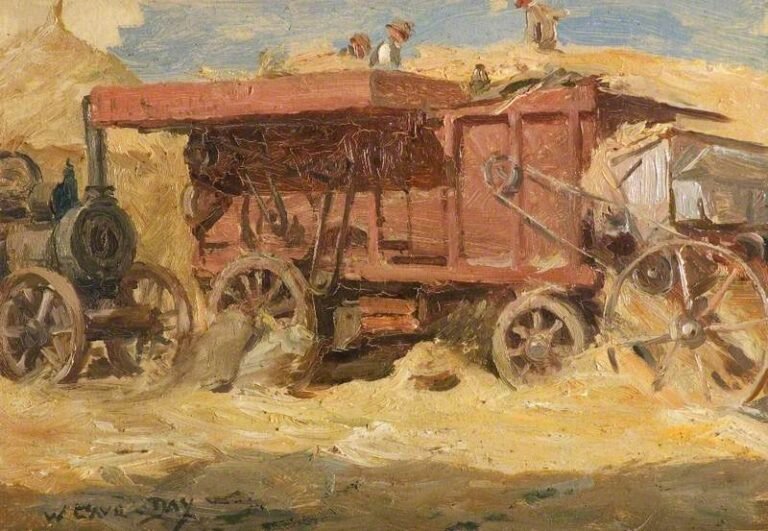
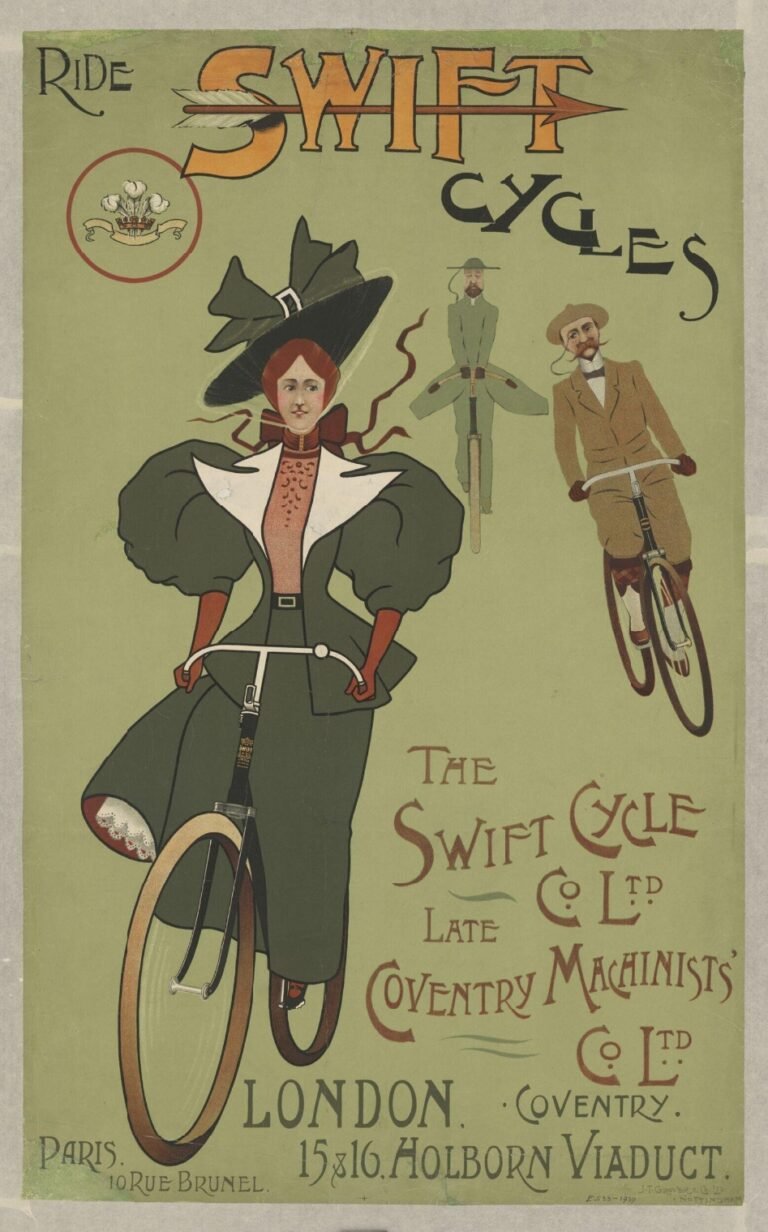
Five inventions which changed the 19th century
In this series of talks, we will look at five inventions which changed the lives of people living in England during the 19th century. We will explore how each invention worked, how it impacted the lives of those using it, and at the wider implications for society.
The course consists of five sessions:
- The Threshing Machine: speeding the processing of corn (11-Jan-27)
- The Postage Stamp: simplifying communication (18-Jan-27)
- The Sewing Machine: reducing the cost of clothes (25-Jan-27)
- The Bessemer Converter: the mass production of steel (01-Feb-27)
- The Safety Bicycle: affordable transport (08-Feb-27)
Our speaker
Adam Smith is a former museum curator who has been lecturing on English Country Houses and their Estates for over 20 years. He holds degrees from the Universities of Durham and Leeds in History and Country House Studies.
The talks will run over five weeks on Monday mornings at Hatfield Road Methodist Church in St Albans from 10.15 to 12.15, from Monday 11th January to Monday 8th February 2027.
You can join individual talks for £10, or pay just £40 to attend all five.

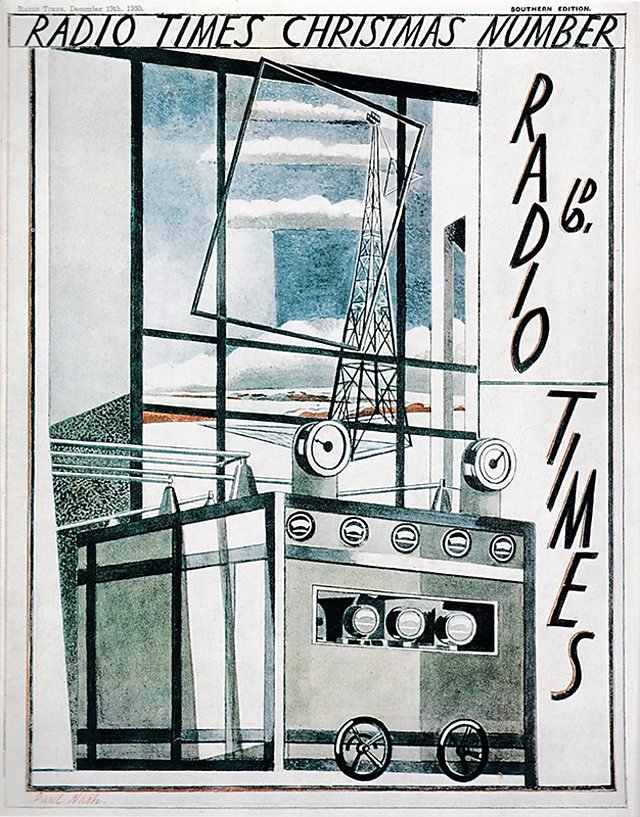
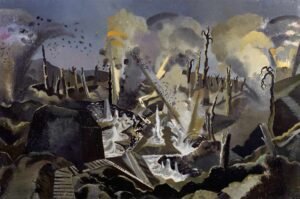
Paul Nash
Dreamer of the Modern World
In this series of talks, we will take an in-depth survey of the life and work of British 20th century artist Paul Nash (1889-1946). Nash was a prolific artist whose art reflected his experiences as an Official War Artist during both World Wars and who, in the 1930s, contributed to the development of the British Surrealist movement. We will chart his influence on British art in the context of other British and European artists of the period and consider how his lifelong fascination with esoteric forms, spirituality and Eastern philosophies influenced the style and subject matter of his modern romantic landscape works.
Our speaker
Chantal Condron has worked in the arts sector for over 25 years including at Tate, Sotheby’s and the University of London Library. She was Curator of Public Engagement at the Government Art Collection and has led programmes at the University of Hull, Whitechapel Gallery, Birmingham Museum & Art Gallery and Ulster Museum, and presented talks in the UK and abroad. She teaches art history at City Lit and wrote the first-ever monograph on Danish artist Peter Hedegaard, which was published in 2019.
The talks will run over five weeks on Tuesday afternoons at Hatfield Road Methodist Church in St Albans from 13.45 to 15.45, from Tuesday 12th January to Tuesday 9th February 2027.
You can join individual talks for £10, or pay just £40 to attend all five.

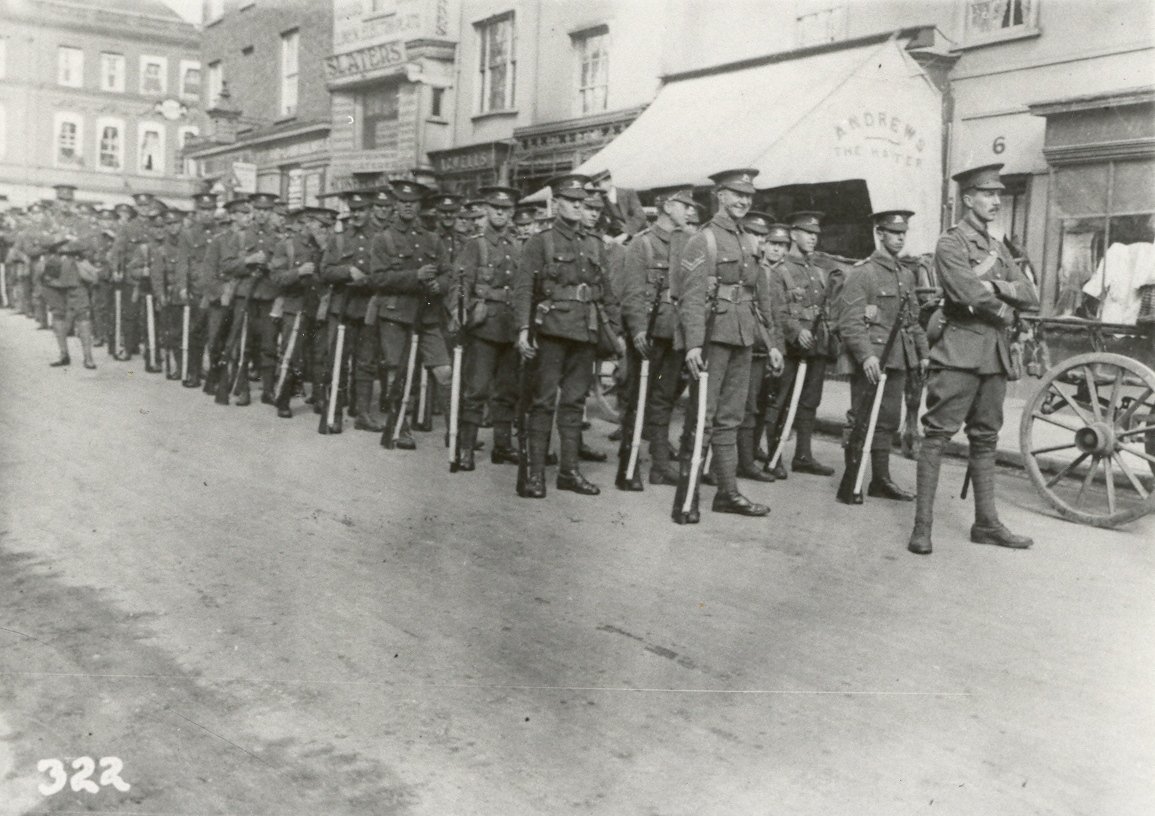
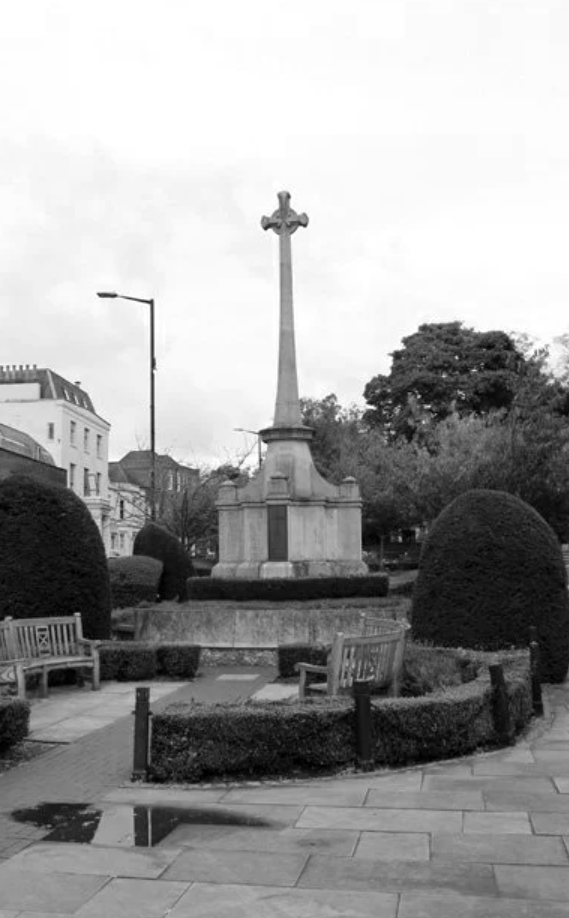
Life in St Albans during the First World War
August 1914 saw St Albans transformed. Little more than a Home Counties market town, overnight it became a garrison town with some 8,000 soldiers billeted here. These two talks explore some of the effects of this change, particularly how conscription, introduced in 1916, affected the city.
We will also consider the experiences of those who refused to join up due to their religious and political convictions, and how the city chose to ‘memorialise’ those men killed in action. The talks will throw fresh light on the unique group of ten street memorials in the narrow streets surrounding the Abbey.
The course consists of two sessions:
St Albans on the cusp: the city in 1914. Building up to conscription, 1914-16. (22-Feb-27)
Avoiding conscription: the military tribunal system. Memorialisation of the dead. (01-Mar-27)
Our speaker
Jon Mein studied Law and History at university, with his subsequent IT career taking him around the world. Living in St Albans for over 25 years, he joined the St Albans & Hertfordshire Architectural & Archaeological Society in 2007 and was elected an Honorary Member of the Society in 2024. Jon was awarded the Mayor’s Prize in 2011 for an essay about the Temperance movement in Victorian St Albans and he has published six history books either as co-author or in his own name
The talks will be on two Monday mornings at Hatfield Road Methodist Church in St Albans from 10.15 to 12.15, on Monday 22nd February and Monday 1st March 2027.
Each talk costs £10, but you will get a £10 discount for every five talks you book this term (January-March).
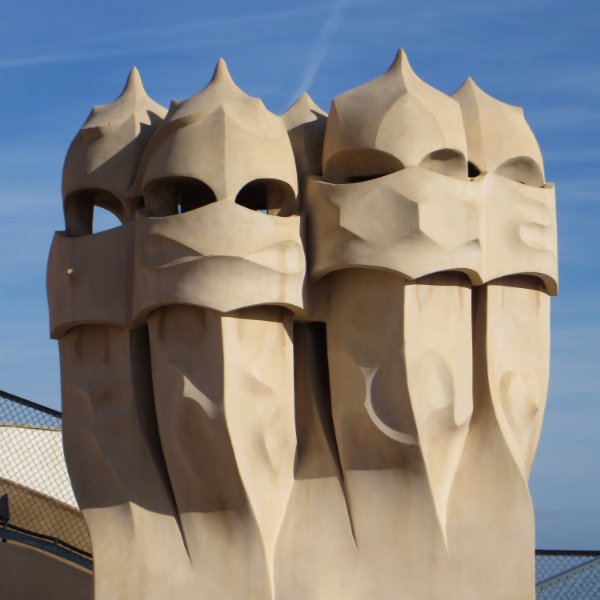
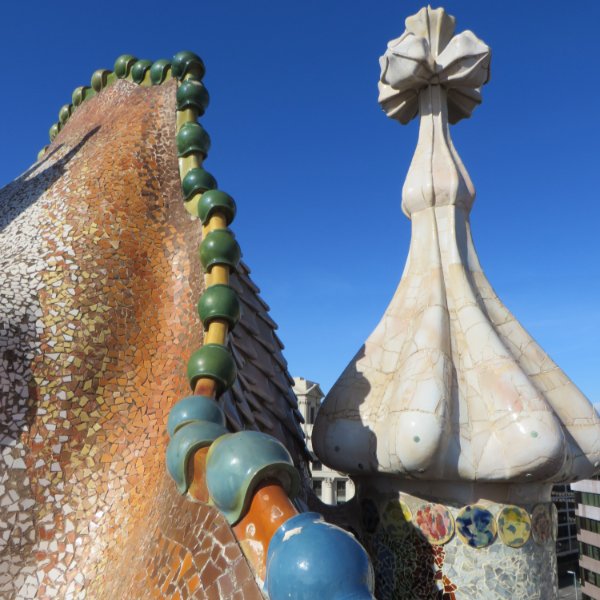
Antoni Gaudí i Cornet, ‘God’s Architect’
In this first of three talks on Catalan Modernisme, the Catalan name for Art Nouveau, we look at the work of Gaudi.
Antoni Gaudi developed a style unmistakably his own, from the colourful Casa Batlló and curvilinear Casa Milà to the impossibly grandiose Roman Catholic Temple Expiatori de la Sagrada Familia, ‘spirit symbolised in stone’.
Everything about Gaudi is larger than life including his death in 1926. Knocked down by a tram, the shabbily dressed architect was mistaken for a tramp and died in a pauper’s ward. He was buried in the crypt of his beloved Sagrada Familia, the ’magna opus’ which had dominated his every waking moment since 1915. Yet very little was completed upon his death, only the crypt, apse, and part of the Nativity façade. After the Second World War, the Sagrada Familia was ridiculed as a folly. However, in the 1950s another visionary artist, Salvador Dali, began to champion Gaudi. Few have not heard of the Sagrada Familia, the church’s unfinished state adding to its notoriety.
However, Barcelona is awash with Modernisme, with around 1000 buildings designated of architectural interest. They belong to a much wider cultural Renaissance or Renaixença. Modernisme encompassed all aspects of Catalonian culture, literature and music as well as painting and the decorative arts. This can be read as a form of National Romanticism, an attempt to assert Catalonian identity in the face of Castilian ‘oppression’.
Our speaker
Anne Anderson was a senior lecturer at Southampton Solent University, where she specialized in the Aesthetic Movement, Arts and Crafts, Art Nouveau and Modernism. She has published books on Art Deco teapots, Edward Burne-Jones, and Art Nouveau Architecture. Anne has curated exhibitions, and lectured on cruises and for the Arts Society.
This talk will be on Tuesday 23rd February 2027 at Hatfield Road Methodist Church in St Albans from 13.45 to 15.45.
The talk costs £10, but you will get a £10 discount for every five talks you book this term (January-March).
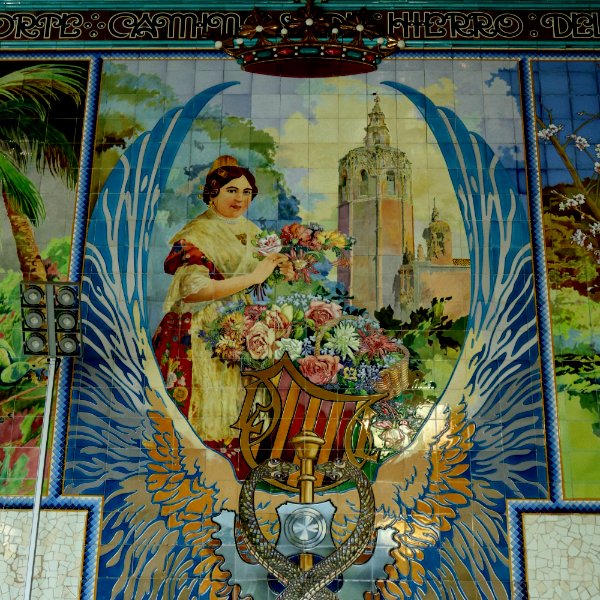
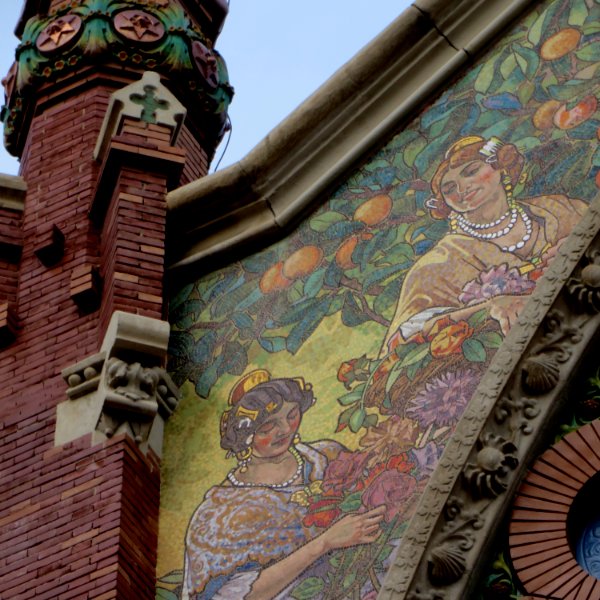
Modernisme in Valencià
In this second of three talks on Catalan Modernisme, the Catalan name for Art Nouveau, we look at Valencià.
Barcelona was not the only Catalan city to respond to modernity and nationalism. Modernisme Valencià is the local name give to the artistic revival that occurred at the close of the 19th century: the architects Demetrio Ribes Marco (1875-1921) and Francisco Mora Berenguer (1875-1961), who was appointed the municipal architect, transformed the regional capital, Valencia, while Vicente Pascual Pastor (1865-1941) and Timoteo Briet Montaud (1859-1925) worked in Alcoy.
In addition to Alcoy, Novelda (Alicante) and Sueca are also members of the Art Nouveau European Route, recognising their significant contribution to the so-called New Art movement. Typically, Modernisme Valencià used new technologies and modern materials, iron and concrete. An alliance was forged between architecture and art, with buildings lavishly decorated with sculpture, ceramics, metalwork and stained glass. There was a craft revival: mosaics and trencadis (broken tiles) decorate exteriors and interiors. Wrought ironwork expresses the sinuous lines associated with European Art Nouveau. Local motifs express national identity: oranges, roses, dragons and the fallera, girls dressed in traditional costumes and jewellery, that parade during Las Fallas, Valencia’s spectacular festival of fire held on the 19th March.
Our speaker
Anne Anderson was a senior lecturer at Southampton Solent University, where she specialized in the Aesthetic Movement, Arts and Crafts, Art Nouveau and Modernism. She has published books on Art Deco teapots, Edward Burne-Jones, and Art Nouveau Architecture. Anne has curated exhibitions, and lectured on cruises and for the Arts Society.
This talk will be on Tuesday 2nd March 2027 at Hatfield Road Methodist Church in St Albans from 13.45 to 15.45.
The talk costs £10, but you will get a £10 discount for every five talks you book this term (January-March).

Darwin in Plain Language
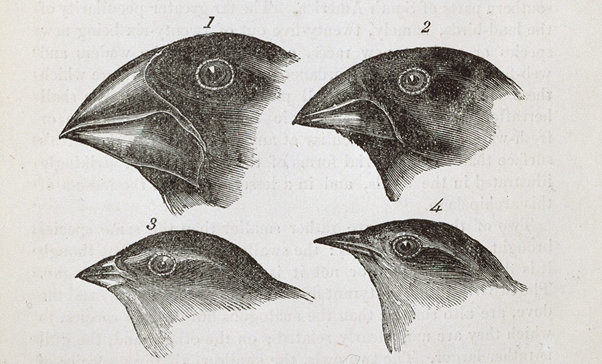
In this first of two talks on Charles Darwin, we look at the main features of his theory of evolution.
Charles Darwin travelled round the world as the official Naturalist on HMS Beagle from 1831 to 1836, For the next twenty years he reflected on what he had seen and investigated the many specimens that he had brought back. In 1859 Darwin published his ideas on evolution in On the Origin of Species, suggesting a mechanism by which individuals, with inherited features better suited to their environment, tend to survive and reproduce more, so those features become more common over generations.
It is often thought that Darwin’s major contribution was the idea that modern humans had arisen from monkeys; but this was not a new idea at that time, and it is not to be found in that book. There was a vague idea that living forms changed over time towards a greater perfection, perhaps with divine guidance.
The basic idea of natural selection is exceedingly simple, and can be set out in plain language – and that is what this talk will do.
Our speaker
Mike Buttolph has degrees in biochemistry and worked for the Civil Service, NHS, University of London and the BBC. He then took the MSc course in History and Philosophy of Science at Imperial College and worked for 10 years as Research Associate at University College London, writing and lecturing on heredity and evolution.
This talk will be on Monday 8th March 2027 at Hatfield Road Methodist Church in St Albans from 10.15 to 12.15.
The talk costs £10, but you will get a £10 discount for every five talks you book this term (January-March).
Folklore and Feminism
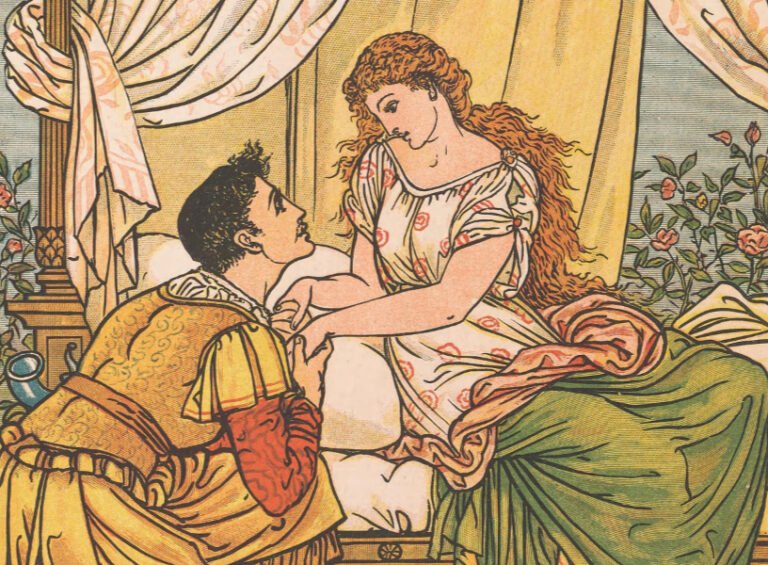
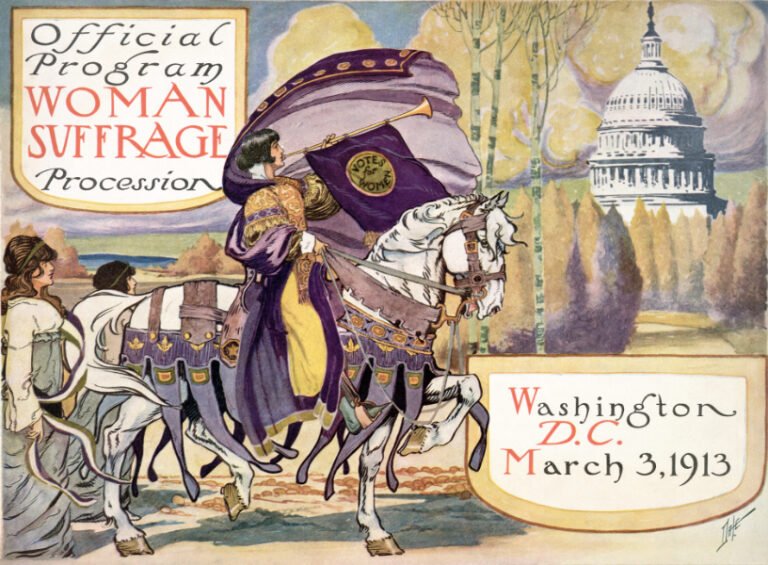
How have myths and fairytales shaped feminist thought? This lecture will explore the power of folklore, its symbols and role in today’s society.
Be the fairest of them all, and you’ll win the prize. Depend on the hero – he knows best. Marry the prince and you’ll live happily ever after. Don’t grow old, or risk becoming an ugly, evil hag. For centuries, folklore and fairytales have reinforced limiting gender stereotypes, confining heroines to narrow, conventional roles. In this lecture, we will explore how folklore is much more than just fairy-tale clichés. Hidden within women’s stories and folk songs are powerful messages of anger, fear, resilience, and hope.
We’ll look at how these stories have been preserved and shaped by women, and how they continue to influence ideas about gender and societal norms today. By uncovering the legacies of these women and the stories they championed, this talk reveals how folklore has served as a subtle but powerful tool for female emancipation, equality, and empowerment.
Our speaker
Dr Ceri Houlbrook is a leading expert on contemporary British folklore. She is a Senior Lecturer in Folklore and History at the University of Hertfordshire, and Programme Leader of the only MA Folklore Studies programme in England. Her primary research interests are the heritage and material culture of ritual and folklore in the British Isles. She has published widely on modern-day customs and rituals, from coin-trees and love-locks to fairy beliefs and domestic magic. She is also a fiction writer, drawing on her folklore research to weave new stories of magical realism.
This talk will be on Tuesday 9th March 2027 at Hatfield Road Methodist Church in St Albans from 13.45 to 15.45.
The talk costs £10, but you will get a £10 discount for every five talks you book this term (January-March).
Darwin in Error
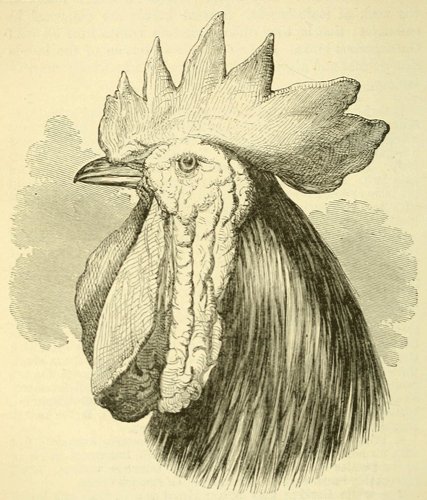
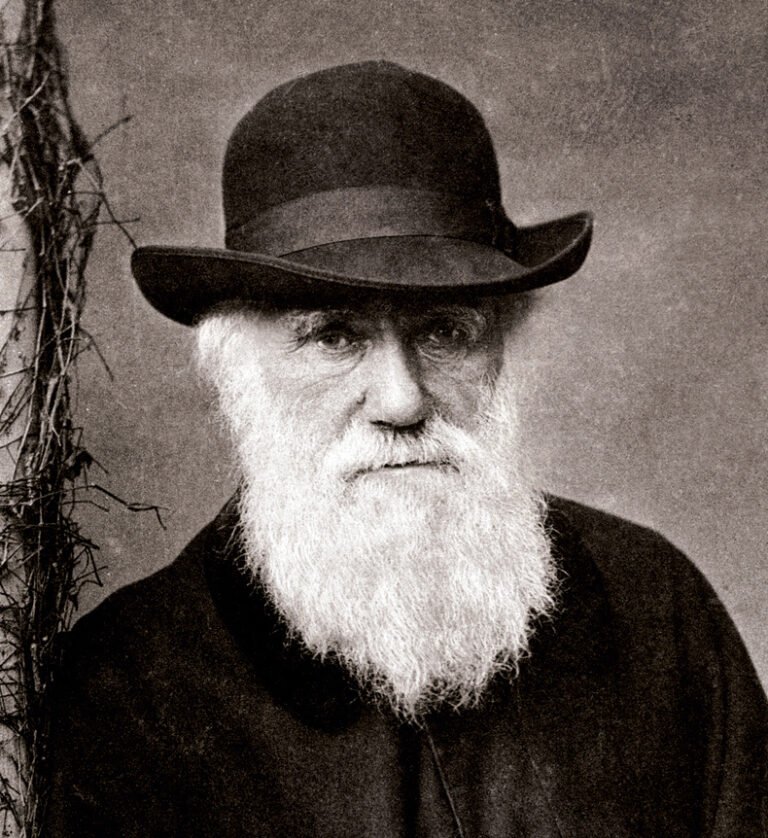
In this second of two talks on Charles Darwin, we look at how he tried to explain heredity.
When it was published in 1859, Charles Darwin’s theory of evolution by natural selection had both acclaim and criticism. The acclaim established Darwin as one of the great naturalists of the day. The criticism took many forms, but included questions about how new forms could arise in nature, and whether or not new features could be passed from parents to offspring. Darwin felt obliged to propose mechanisms for these two phenomena, variation and heredity.
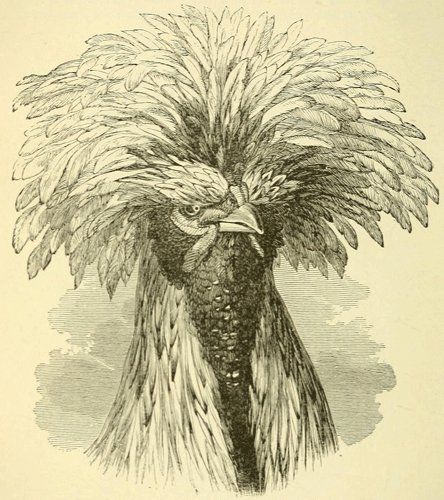
He did so in his two-volume The Variation of Animals and Plants Under Domestication (1868). In Volume One he presented hundreds of examples of variation, showing that, in nature, like parents really do produce unlike offspring, the raw material on which natural selection can operate. In Volume Two he set out his theory of Pangenesis, by which inherited features are passed from parents to offspring by numberless ‘pangenes’, collected from throughout the bodies of both parents and transmitted through egg and sperm.
Shortly before Variation appeared in 1868, there was published a brief account of ideas about variation and heredity of the utmost simplicity. These ideas were known by relatively few people, who all remarked on their simplicity; but Darwinian Pangenesis was the order of the day and recognition of the simpler alternative was delayed until the year 1900 when they formed the basis of the new science of genetics.
Our speaker
Mike Buttolph has degrees in biochemistry and worked for the Civil Service, NHS, University of London and the BBC. He then took the MSc course in History and Philosophy of Science at Imperial College and worked for 10 years as Research Associate at University College London, writing and lecturing on heredity and evolution.
This talk will be on Monday 15th March 2027 at Hatfield Road Methodist Church in St Albans from 10.15 to 12.15.
The talk costs £10, but you will get a £10 discount for every five talks you book this term (January-March).
Modernisme in Mallorca
In this third of three talks on Catalan Modernisme, the Catalan name for Art Nouveau, we look at Mallorca.
Antoni Gaudi’s architectural achievements are not confined to Barcelona. Between 1903 and 1914, he remodelled the interior of the Cathedral of Mallorca (La Seu), blending Gothic with Modernisme. He moved the choir, created stained glass windows featuring new colour-layering techniques that he later used in the Sagrada Familia, and added a signature suspended baldachin that floats over the high altar.
He was assisted by his talented pupils Josep Maria Jujol and Joan Rubió, who left his mark on Soller where he restored the church and possibly designed a bank. Many tourists take the scenic train to Soller which passes through orange groves and then winds down the mountains offering spectacular views of the town. Here you can experience the opulence of Can Prunera, a Modernisme mansion built for Joan Magraner Oliver, or have a coffee at the Hotel La Vila, the former Casa Miquel Bernat Ferrer and enjoy the beautiful tiles.
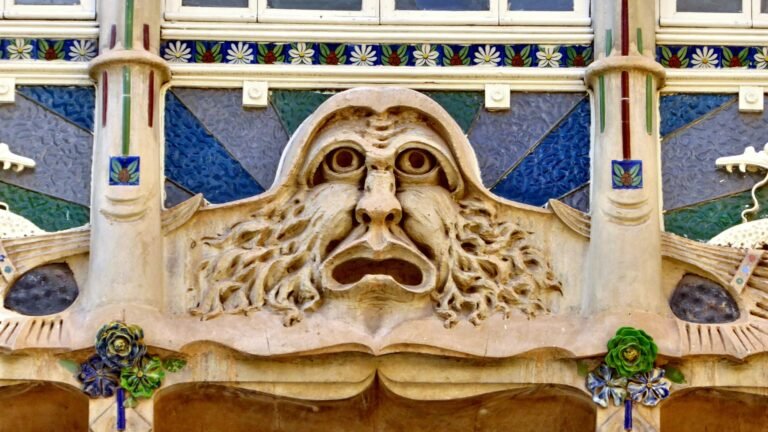
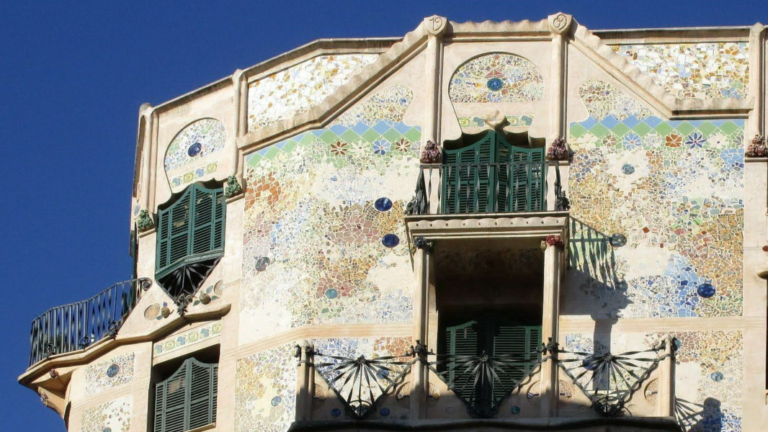
Modernisme also left its mark on Palma de Mallorca, the broken tile or trencadis on the façade of the Can Forteza Rey recalling Gaudi’s famous Casa Batlló. Since Catalan writer and painter Santiago Rusiñol published La isla de la calma (The Island of Calm), Mallorca continues to enchant visitors with its architecture and idyllic scenery.
Our speaker
Anne Anderson was a senior lecturer at Southampton Solent University, where she specialized in the Aesthetic Movement, Arts and Crafts, Art Nouveau and Modernism. She has published books on Art Deco teapots, Edward Burne-Jones, and Art Nouveau Architecture. Anne has curated exhibitions, and lectured on cruises and for the Arts Society.
This talk will be on Tuesday 16th March 2027 at Hatfield Road Methodist Church in St Albans from 13.45 to 15.45.
The talk costs £10, but you will get a £10 discount for every five talks you book this term (January-March).
The University of Hertfordshire Art Collection
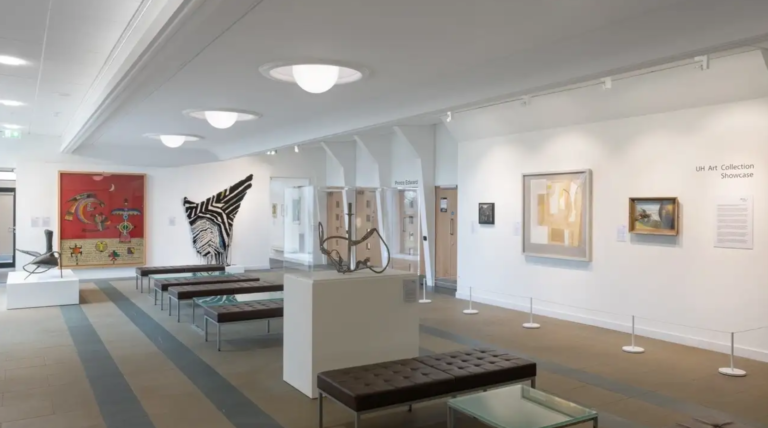
In this talk, Elizabeth Murton will explore a local, easily accessible art collection, held by The University of Hertfordshire.
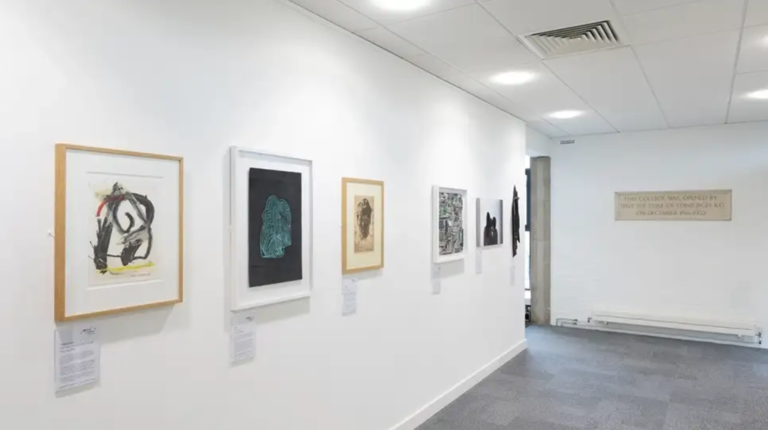
The collection comprises over 500 artworks displayed across the university campuses. It is a diverse collection, featuring external sculptures and a portfolio of paintings, prints, drawings, photographs, ceramics and mixed-media works.
In 2023, the collection was awarded Accredited Museum status by Arts Council England, recognising its commitment to the highest standards of care, curation and public engagement.
Our speaker
Elizabeth Murton has a degree in Textiles and Visual Arts from Goldsmiths College, University of London, is a practicing artist, and is Projects and Collections Manager at University of Hertfordshire Arts + Culture.
This talk will be on Monday 22nd March 2027 at Hatfield Road Methodist Church in St Albans from 10.15 to 12.15.
The talk costs £10, but you will get a £10 discount for every five talks you book this term (January-March).


Green Folklore
Our planet is suffering from a triple crisis: the climate emergency, biodiversity loss, and pollution. We are witnessing more frequent and more extreme weather events: droughts, heatwaves, winter storms, flooding, wildfires, and hurricanes. Our ecosystems and biodiversity are also suffering: we destroy seven million hectares of forest every year, our rivers and seas are facing significant pollution challenges, and species are now disappearing hundreds, even thousands, of times faster than the natural background rate of extinction. The main cause of these environmental crises? Human activity.
But humans create as well as destroy, and this lecture explores how one particularly ubiquitous and potent element of human creativity can and does impact our natural environment: folklore. Through this lecture we will explore how folklore has been harnessed as a tool in environmental activism and in raising awareness, from eco-paganism to the adoption of well-known folkloric figures and monuments in protests.
Our speaker
Dr Ceri Houlbrook is a leading expert on contemporary British folklore. She is a Senior Lecturer in Folklore and History at the University of Hertfordshire, and Programme Leader of the only MA Folklore Studies programme in England. Her primary research interests are the heritage and material culture of ritual and folklore in the British Isles. She has published widely on modern-day customs and rituals, from coin-trees and love-locks to fairy beliefs and domestic magic. She is also a fiction writer, drawing on her folklore research to weave new stories of magical realism.
This talk will be on Tuesday 23rd March 2027 at Hatfield Road Methodist Church in St Albans from 13.45 to 15.45.
The talk costs £10, but you will get a £10 discount for every five talks you book this term (January-March).