
Learn something new
Our courses
To join one of our courses you need to be on our mailing list
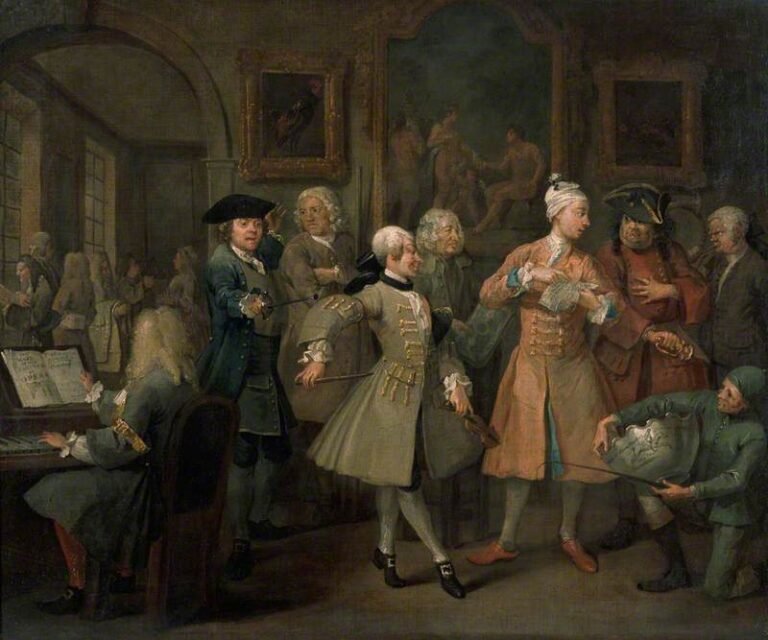
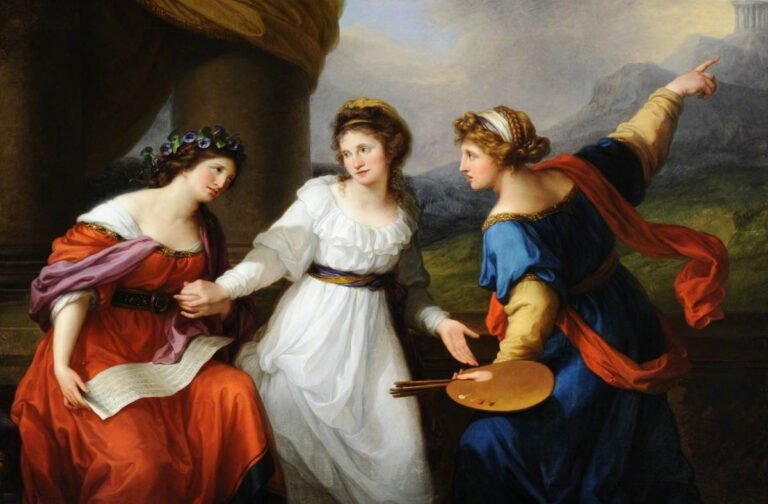
William Hogarth & Angelica Kauffman
Georgian Artists, England and Europe
In this series of talks, we use art from the Georgian period to look at aspects of history. This talk looks at the work of William Hogarth and Angelica Kauffman.
William Hogarth, through his “progress” paintings, was not only able to make a good living but also to ensure his popularity through succeeding centuries. We will concentrate on the Rake’s Progress as a way of understanding mid-18th century society.
Angelica Kauffman was a truly international artist whose work has been celebrated in an exhibition at the Royal Academy. We will trace her, and her work, from birth in Switzerland, an early career in Italy, a move to England, becoming a founding member of the Royal
Academy, and her return to Italy in later life.
The course tutor
Adam Smith is a former museum curator who has been lecturing on English Country Houses and their Estates for over 20 years. He holds degrees from the Universities of Durham and Leeds in History and Country House Studies.
This talk will be on Monday 28th September 2026 at Hatfield Road Methodist Church in St Albans from 10.15 to 12.15.
It costs £10 — or you can book all five talks in the series for a reduced fee of £40
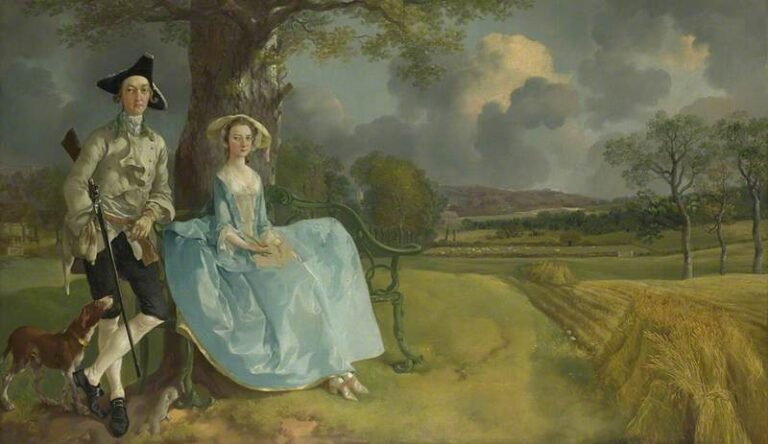
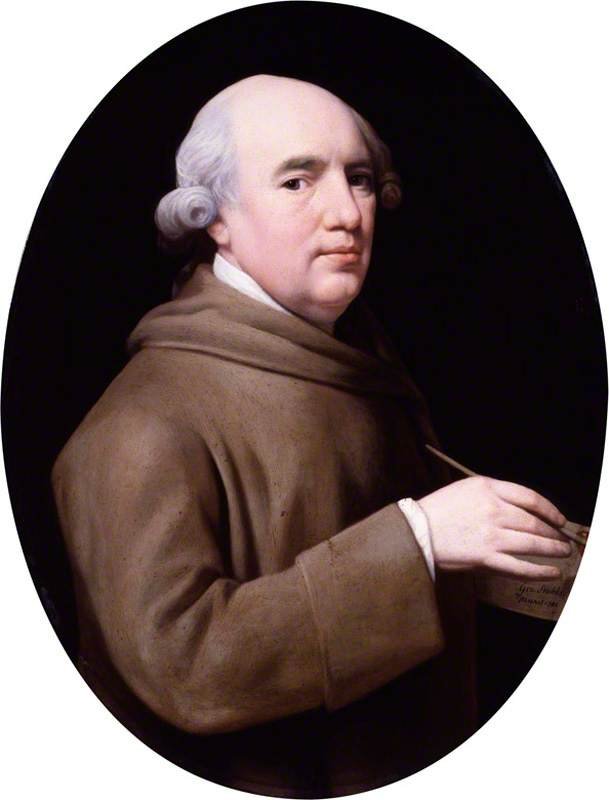
Thomas Gainsborough & George Stubbs
The Georgian Countryside
In this series of talks, we use art from the Georgian period to look at aspects of history. This talk looks at the work of Thomas Gainsborough and George Stubbs.
The portrait by Thomas Gainsborough of Mr. and Mrs. Andrews, showing them relaxing in the countryside, is a well known part of the
National Gallery’s collection. We will examine it to see what it has to say about land ownership, agriculture and dress in the mid-18th century.
George Stubbs‘ painting, Sir John Nelthorpe Shooting in Barton Field, is not well known. It shows a landowner exercising his right to shoot game birds in the unenclosed Lincolnshire landscape, with the Humber in the background. It gives us the opportunity to think about land ownership and enclosure in the Georgian period, and how this locality was used by Stubbs when he was working on The Anatomy of the Horse.
The course tutor
Adam Smith is a former museum curator who has been lecturing on English Country Houses and their Estates for over 20 years. He holds degrees from the Universities of Durham and Leeds in History and Country House Studies.
This talk will be on Monday 5th October 2026 at Hatfield Road Methodist Church in St Albans from 10.15 to 12.15.
It costs £10 — or you can book all five talks in the series for a reduced fee of £40
Joseph Wright “of Derby” & Samuel Scott
Industry and Commerce
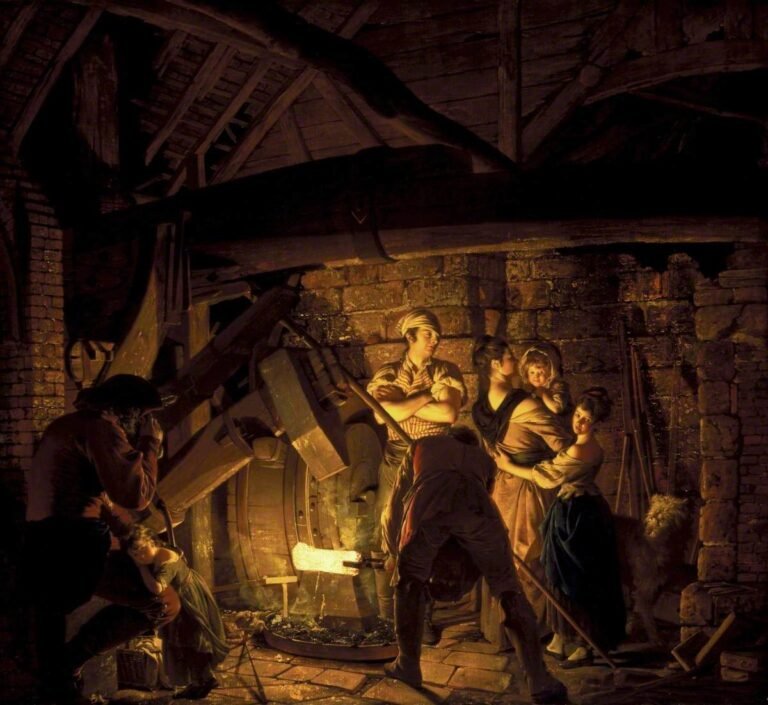
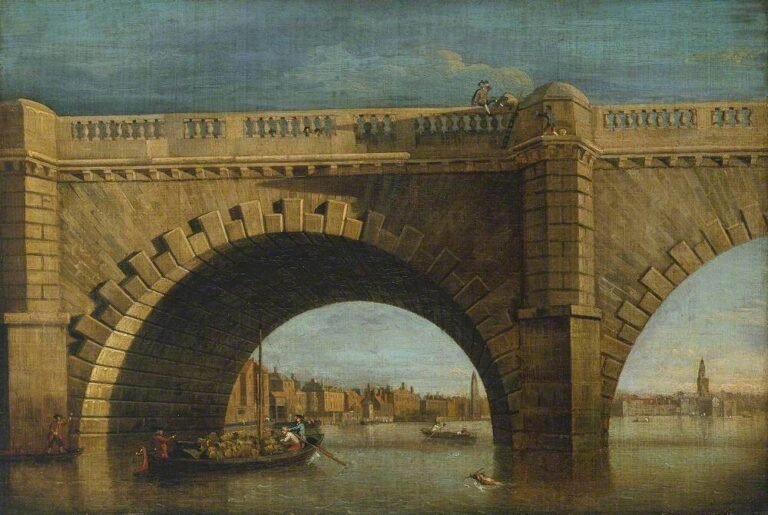
In this series of talks, we use art from the Georgian period to look at aspects of history. This talk looks at the work of Joseph Wright “of Derby” and Samuel Scott.
Joseph Wright is celebrated for his atmospherically lit paintings, especially those depicting scientific experiments, as evidenced by the National Gallery exhibition earlier this year. We will see what these, and his portraits, reveal of the Enlightenment in Georgian England.
Samuel Scott began his career as a painter of marine scenes, but found that there was a growing market for views of London, especially from the Thames. We will see how his paintings chart the growth of the city in the mid-18th century.
The course tutor
Adam Smith is a former museum curator who has been lecturing on English Country Houses and their Estates for over 20 years. He holds degrees from the Universities of Durham and Leeds in History and Country House Studies.
This talk will be on Monday 12th October 2026 at Hatfield Road Methodist Church in St Albans from 10.15 to 12.15.
It costs £10 — or you can book all five talks in the series for a reduced fee of £40
Sir Joshua Reynolds & Paul Sandby
The exotic and the familiar
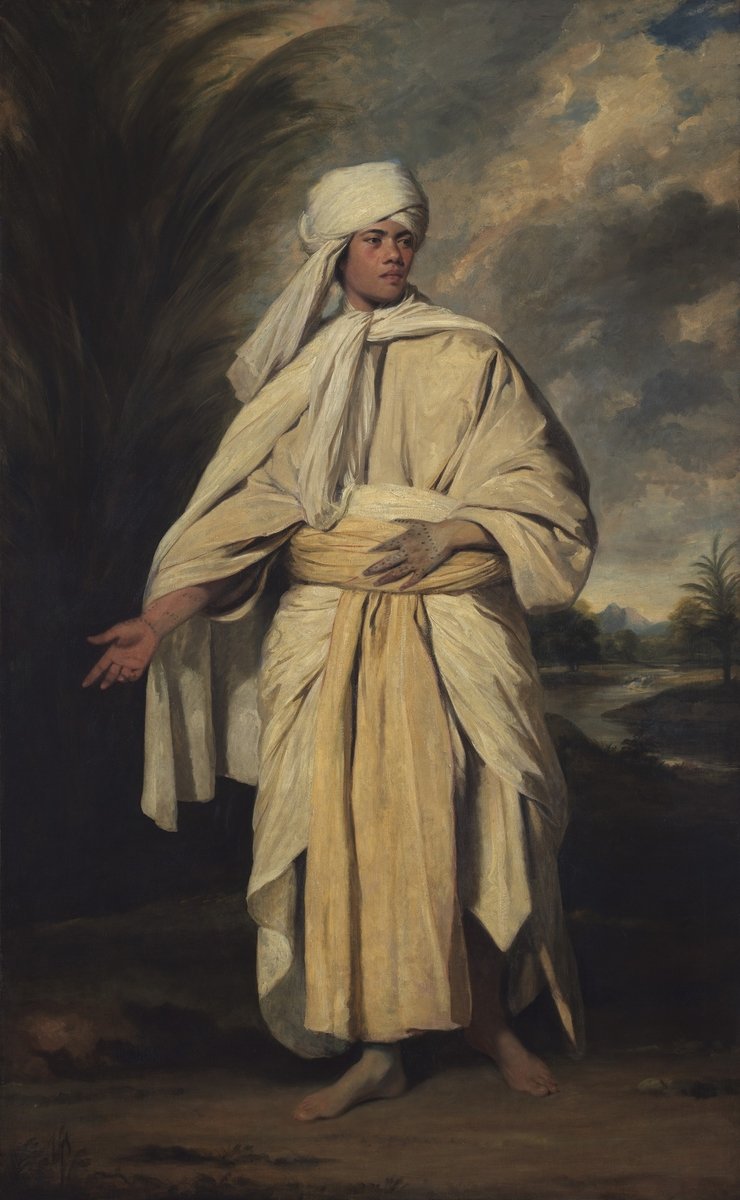
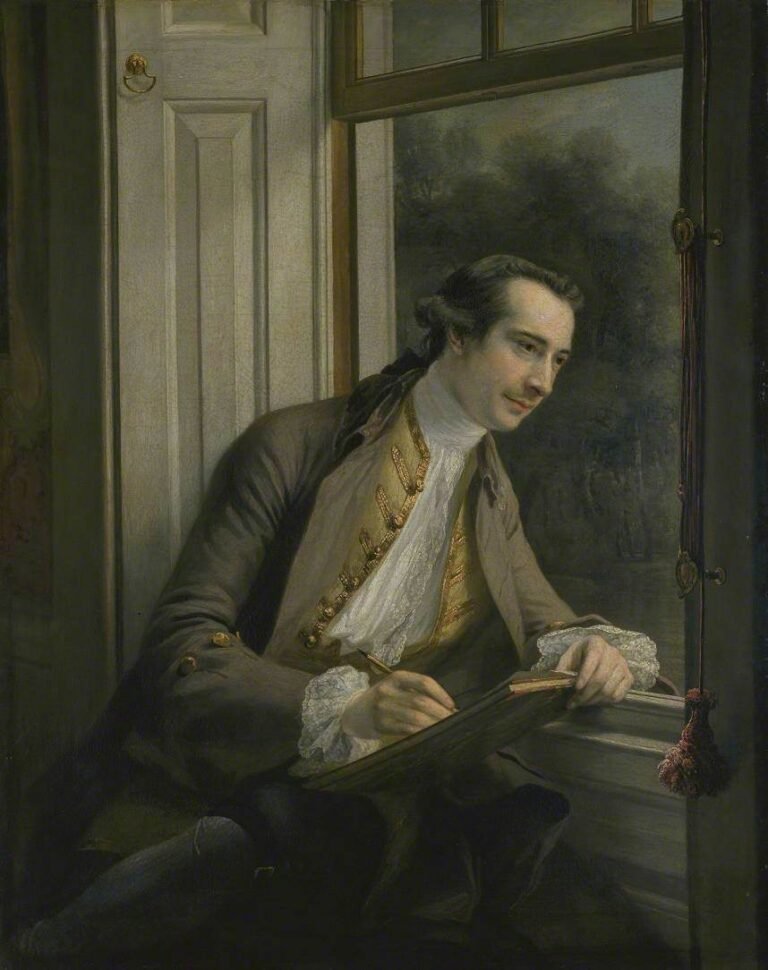
In this series of talks, we use art from the Georgian period to look at aspects of history. This talk looks at the work of Sir Joshua Reynolds and Paul Sandby.
In 1776, Sir Joshua Reynolds painted his portrait of Omai, who travelled from Polynesia to England with Captain Cook and became something of a celebrity in Georgian London. The portrait was received with great praise and hung in the artist’s studio until his death. We will examine what this painting has to say about Georgian ideas of the exotic, and what the recent fundraising campaign to acquire it for the National Portrait Gallery has to say about current ideas about art and society.
Paul Sandby specialised in detailed drawings and watercolours, which depict Britain in the second half of the 18th century, and regularly visited and worked in Windsor. His pictures will show us how Windsor Castle and its surroundings appeared before George VI’s alterations to the castle.
The course tutor
Adam Smith is a former museum curator who has been lecturing on English Country Houses and their Estates for over 20 years. He holds degrees from the Universities of Durham and Leeds in History and Country House Studies.
This talk will be on Monday 19th October 2026 at Hatfield Road Methodist Church in St Albans from 10.15 to 12.15.
It costs £10 — or you can book all five talks in the series for a reduced fee of £40.

The structure of iconic buildings
Visitor guides often focus on the cultural value of buildings, but have you ever wanted more information about the structure before you? How was it built? We know that architects rely on engineers to turn their visions into reality. What problems did they have to overcome? How successfully did they manage to marry up Form and Function?
In this five-week course, we’ll examine the hidden engineering behind some ground-breaking buildings, both ancient and modern.
The course tutor
Tim Parrott specializes in teaching popular science to adult learners, particularly those without a formal science background. He studied at Cambridge and has taught subjects like cosmology, physics, evolution, as well as architectural structures.
The course will run over five weeks on Tuesday afternoons at Hatfield Road Methodist Church in St Albans from 13.45 to 15.45, starting on Tuesday 22nd September 2026 and ending on Tuesday 20th October 2026. The course costs £40 or you can join individual sessions for £10.
The straw hat trade in St Albans
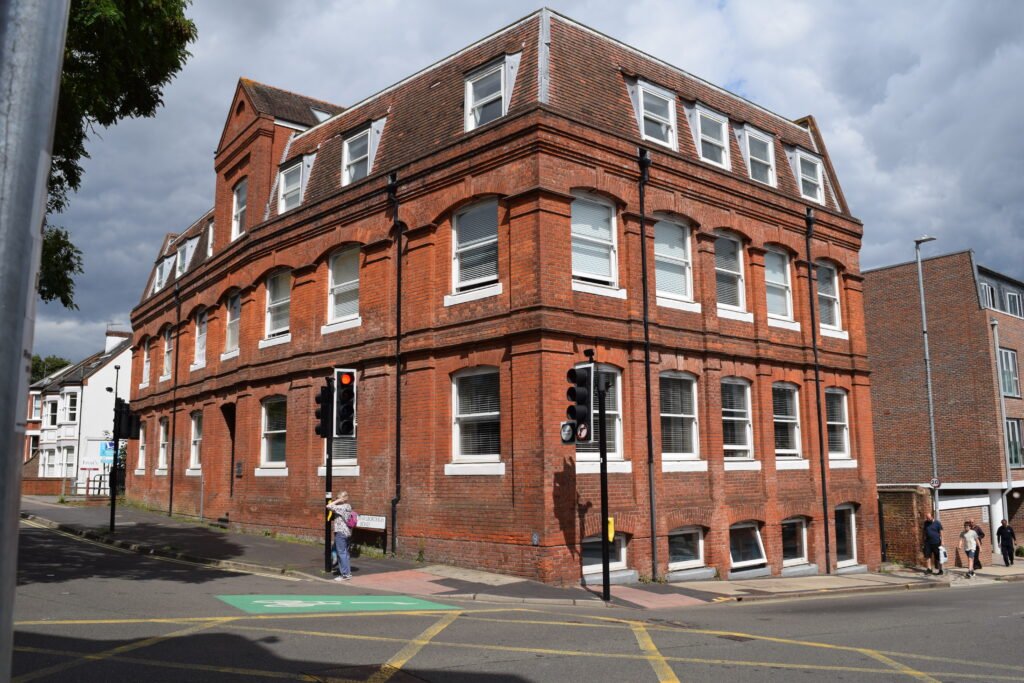
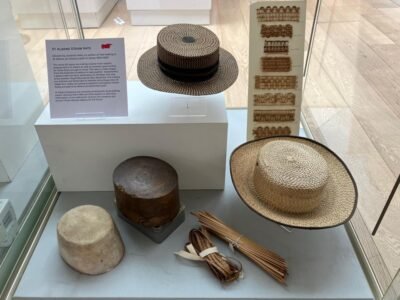
Surprisingly, straw hat making was the staple trade in St Albans from 1850 to 1930. Local manufacturers specialised in fashions that outsold the Luton competition. The trade is now largely forgotten with just a few late nineteenth century factories left to remind us of what was a global business.
Based on his recent book, published by St Albans & Hertfordshire Architectural & Archaeological Society, Jon Mein, explores the history of the trade in the 1800-1940 period when 100s of people were employed in the town. He also identifies who ‘made good’ from the industry and their general contributions to life in the town.
The course consists of two sessions:
Making hats: the town’s staple trade; and comparisons with Luton.
Specialisations and Boaters Galore!
The course tutor
Jon Mein studied Law and History at university, and his career took him around the world, but he lived in St Albans for over 25 years. He joined the St Albans & Hertfordshire Architectural & Archaeological Society in 2007 and has been the Society’s Newsletter editor for some six years. He was awarded the Mayor’s Prize in 2011 for an essay about the Temperance movement in Victorian St Albans.
The course will run over two weeks on Monday mornings at Hatfield Road Methodist Church in St Albans from 10.15 to 12.15, on Monday 2nd and Monday 9th November 2026. The course costs £16 or you can join individual sessions for £10.
Swedish Grace: Swedish Art and Design (c.1880-1940)

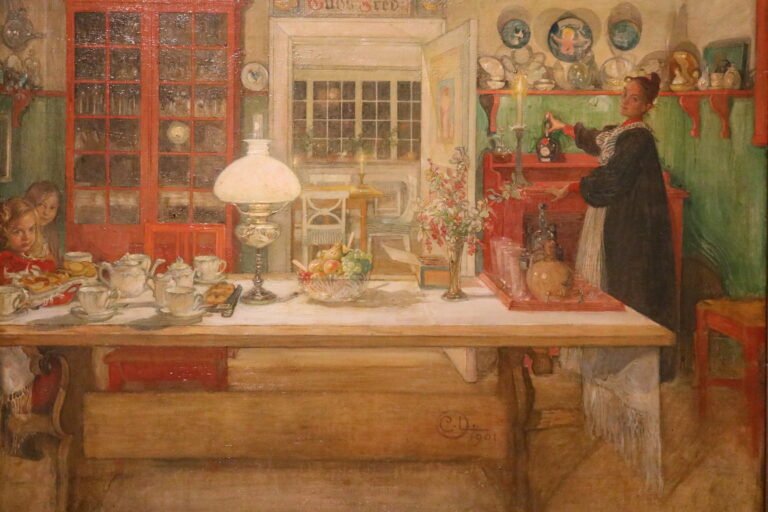
Enjoying an international reputation during their lifetimes, Carl Larsson and Anders Zorn are Sweden’s best-known artists. While Zorn could be compared to John Singer Sargent, with his bravado portraits in the grand manner, Larsson has acquired a wider fame as the founding father of IKEA. Larsson exemplifies Swedish style: a desire to live in simple but beautiful surroundings. He and his wife Karen created an idyllic home at Lilla Hyttnäs, in Sundborn, Dalarna.
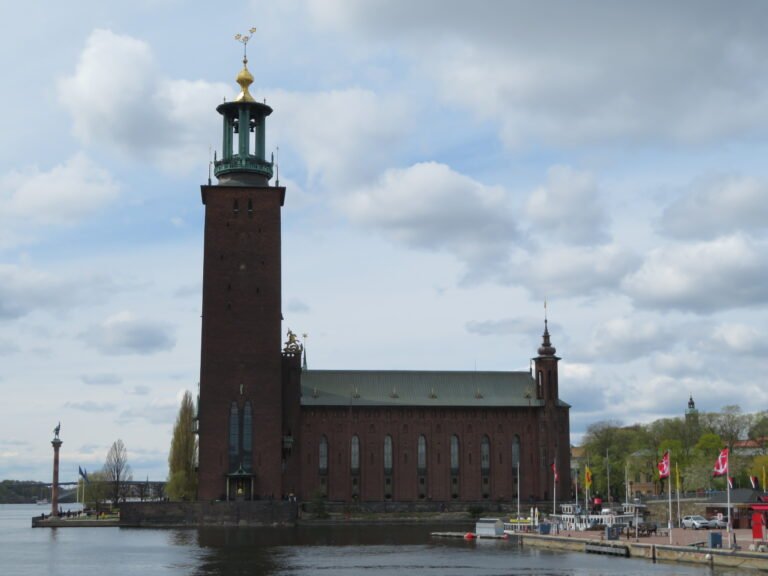
Through his illustrated books (A Home, Larssons, A Farm), Lilla Hyttnäs has become one of the most famous artist’s homes in the world, transmitting the artistic tastes of its creators. Swedish style does not tolerate clutter. In the 1920s Architect Erik Gunnar Asplund was a key representative of Nordic Classicism. Swedish Grace is also exemplified by Ragnar Östberg‘s design for Stockholm’s City Hall, as well as the pavilion created by Carl G. Bergstein for the Exposition internationale des arts décoratifs et industriels in 1925. The small pavilion was an Art Deco version of classicism, pure and simple. The engraved crystal and art glass of Orrefors, which suggests frozen liquid, took a prized gold medal. Moving away from the Arts and Crafts ethos, the emphasis shifted to an alliance of art and industry; the modernist style made its breakthrough in Sweden at the Stockholm International Exhibition in 1930.
The course tutor
Anne Anderson was a senior lecturer at Southampton Solent University, where she specialized in the Aesthetic Movement, Arts and Crafts, Art Nouveau and Modernism. She has published books on Art Deco teapots, Edward Burne-Jones, and Art Nouveau Architecture. Anne has curated exhibitions, and lectured on cruises and for the Arts Society.
This talk will be on Tuesday 3rd November 2026 at Hatfield Road Methodist Church in St Albans from 13.45 to 15.45.
It costs £10 — or you can book all three of Anne Anderson’s talks for a reduced fee of £24.
Finlandia: the art and architecture of Helsinki

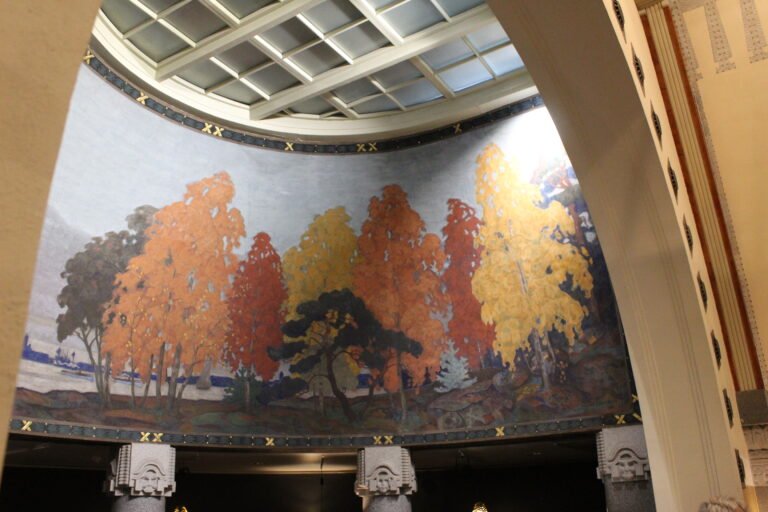
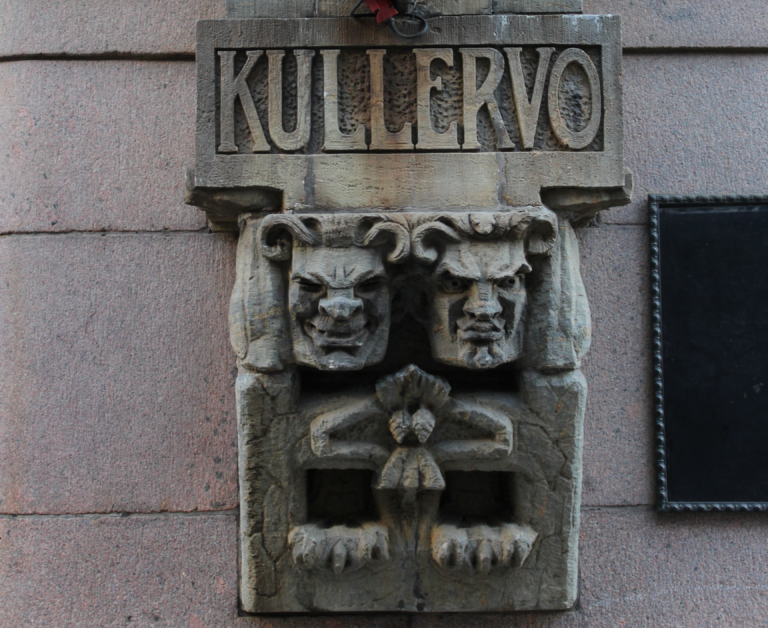
Visitors to Helsinki inevitably head to Senate Square to admire a unified ensemble of Neoclassical buildings created by Carl Ludvig Engel: the Lutheran Cathedral, Government Palace, University of Helsinki and National Library of Finland. The centre of the square is dominated by a statue to Czar Alexander II who envisioned a stylish modern capital along the lines of St. Petersburg. A grand duchy of the Russian Empire until December 1917, Finland suffered Russification, an attempt, through the suppression of language and customs, of national identity. In response, local architects developed a National Romantic style that expressed the unique spirit of the North. Dating to the turn of the 20th century, these buildings are also classified as Jugendstil, a northern manifestation of Art Nouveau. The fantastic Pohjola Insurance Building (1901) resembles a gigantic castle. The building is amusingly covered with dangerous beasts — wolves, bears and trolls — that it would be wise to insure against!
In the famous Finnish epic, the Kalevala, Pohjola is the evil land of the North. It was the Kalevala and Karelianism that shaped Akseli Gallen-Kallela, Finland’s great symbolist painter and the music of Jean Sibelius. Both are credited with bolstering Finnish national identity in the face of Russian domination.
The course tutor
Anne Anderson was a senior lecturer at Southampton Solent University, where she specialized in the Aesthetic Movement, Arts and Crafts, Art Nouveau and Modernism. She has published books on Art Deco teapots, Edward Burne-Jones, and Art Nouveau Architecture. Anne has curated exhibitions, and lectured on cruises and for the Arts Society.
This talk will be on Tuesday 10th November 2026 at Hatfield Road Methodist Church in St Albans from 13.45 to 15.45.
It costs £10 — or you can book all three of Anne Anderson’s talks for a reduced fee of £24.
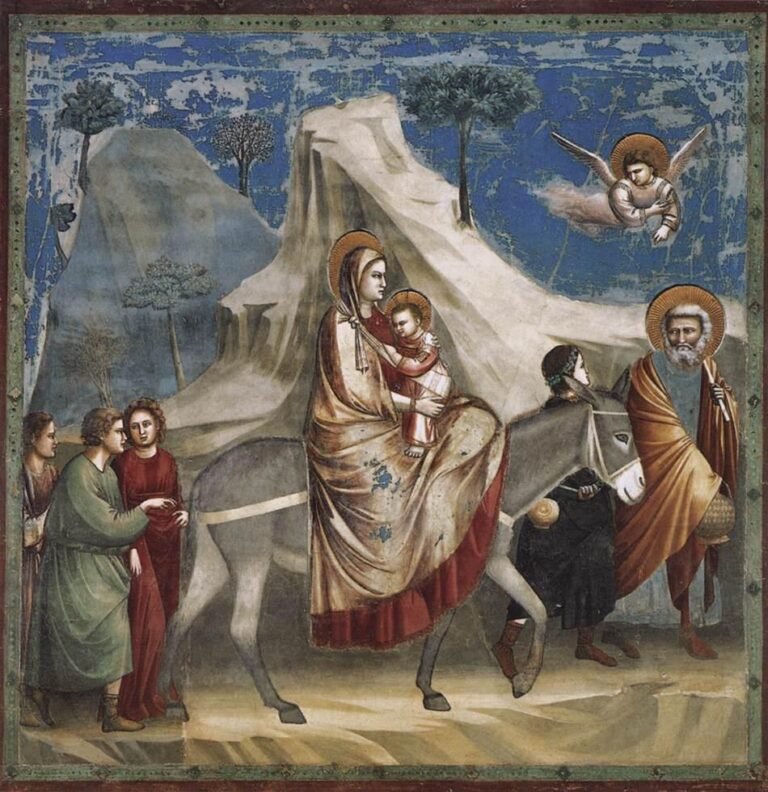
The Italian Renaissance
In this three-part course, we will explore the Italian Renaissance – the ‘rebirth’ of art that occurred in the fourteenth century.
Drawing comparisons between different styles and approaches, the ancient heritage of Rome and the revival of the classical tradition by artists like Cimabue, Duccio, Simone Martini and Giotto will be considered, alongside the historical and philosophical context that contributed to the ‘rebirth’ of the arts in fourteenth-century Italy.
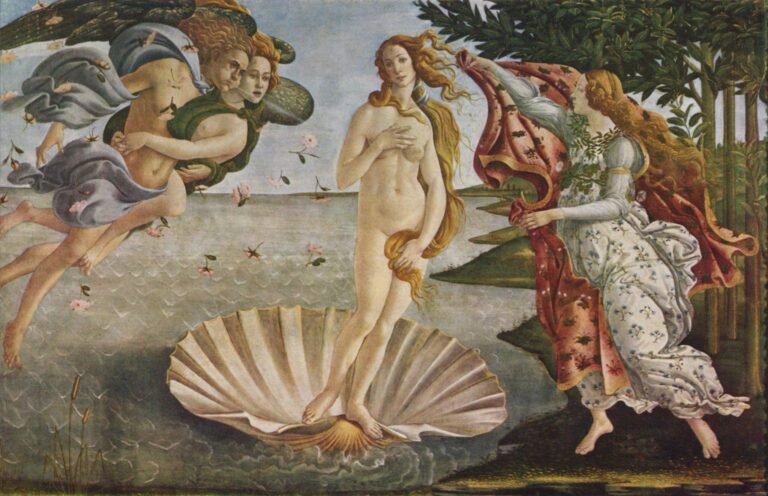
The flowering of the Italian Renaissance in the fifteenth century will be examined, including paintings by Masaccio, Donatello, Bellini and Mantegna. Works by Uccello and Piero della Francesca show the development of linear perspective, whilst Fra Angelico, Fra Filippo Lippi and Botticelli followed the more ‘lyrical’ tradition of Quattrocento painting.
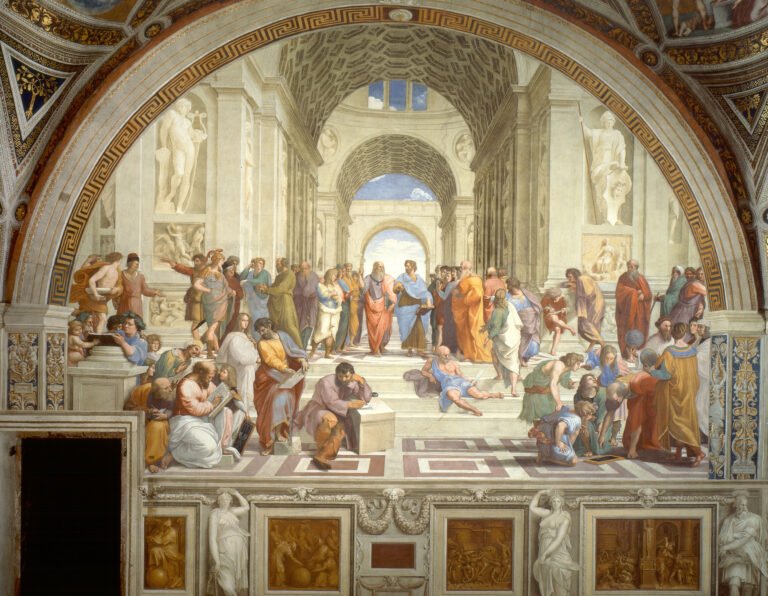
The High Renaissance reached its peak in the works of Leonardo, Raphael and Michelangelo. Leonardo’s work as a scientist is clearly reflected in his earliest works, whilst Raphael’s expertise was reflected in his religious paintings and work in the Vatican Stanze. Michelangelo’s work as a sculptor will be examined, as well as his frescoes in the Sistine Chapel.
The course consists of three sessions:
- Giotto and the Early Italian Renaissance (16 Nov 26)
- The Quattrocento – Masaccio to Botticelli (23 Nov 26)
- The High Renaissance – Leonardo, Raphael and Michelangelo (30 Nov 26)
The course tutor
Dr Valerie Shrimplin is an Art Historian, Researcher and Author, who has lectured extensively on Byzantine, Medieval and Renaissance art and architecture, and on sixteenth-century history. She has a particular interest in the influence of astronomy and cosmology on art (including her PhD on a link between Michelangelo and Copernicus). She is an accredited Arts Society Lecturer and former Chair (2017-2024) of the Conferences on the Inspiration of Astronomical Phenomena.
The course will run over three weeks on Monday mornings at Hatfield Road Methodist Church in St Albans from 10.15 to 12.15, on Monday 16th, Monday 23rd and Monday 30th November 2026. Each talk costs £10 — or you can book all three talks for a reduced fee of £24.
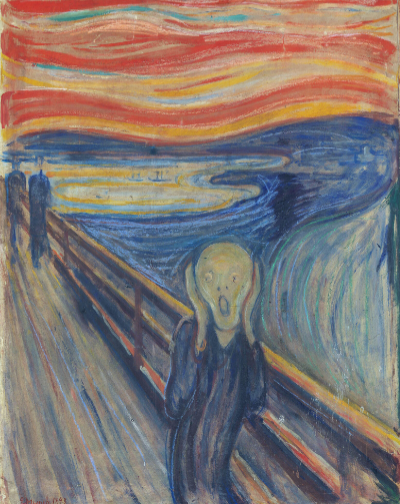
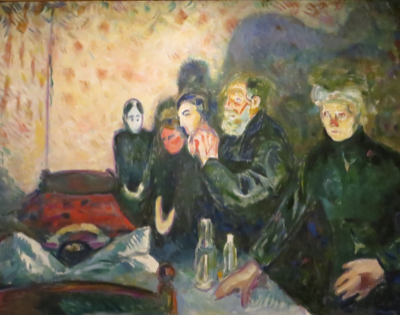
Nordic Spirit: Grieg, Ibsen and Munch
Perhaps it is the unique climate of the far north, the extremes of the Polar night and Midsummer sun, which has forged such a distinctive Nordic culture. Although Norway is renowned for its beautiful fiords, many of its communities are isolated, cut off by both mountains and sea. Norwegians have learnt to be resilient. Despite a rich heritage, Norway did not gain independence from Sweden until 1905, explaining the nationalist fervour of Edvard Grieg. His compositions reflect Norway’s mythic past and folk traditions. Grieg’s incidental music to Henrik Ibsen’s Peer Gynt (In the Hall of the Mountain King and Solveig’s Song) transformed Ibsen’s verse drama into a romantic fairy-tale. Yet Ibsen’s plays dealt with complex human relations. A Doll’s House and Hedda Gabler examine the realities that lay behind the façade of respectable middle-class domesticity.
The paintings of Edvard Munch, who saw in Ibsen’s plays a reflection of his own life, are equally disquieting, dealing with sexual awakening, unrequited love and death. No one captured the angst of the era more effectively than Munch; imitated, copied and parodied, his iconic Scream is as famed as Leonardo’s Mona Lisa. All three artists responded to the anxieties provoked by modern life.
The course tutor
Anne Anderson was a senior lecturer at Southampton Solent University, where she specialized in the Aesthetic Movement, Arts and Crafts, Art Nouveau and Modernism. She has published books on Art Deco teapots, Edward Burne-Jones, and Art Nouveau Architecture. Anne has curated exhibitions, and lectured on cruises and for the Arts Society.
This talk will be on Tuesday 24th November 2026 at Hatfield Road Methodist Church in St Albans from 13.45 to 15.45.
It costs £10 — or you can book all three of Anne Anderson’s talks for a reduced fee of £24.